Delta Group handles commercial bin rental in Hamilton for contractors, property managers, industrial operations, and developers. Not residential decluttering. Real construction and commercial waste with the volumes, schedules, and material types that come with actual jobsites. Here’s what a proper commercial bin service looks like, what to watch out for when picking a provider, and why Hamilton commercial work needs a different approach than residential.
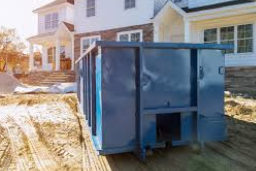
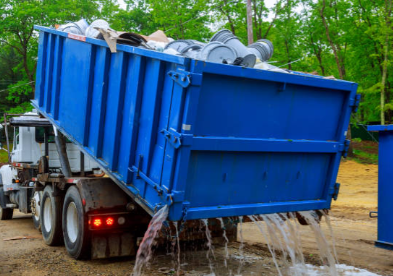
Commercial bin service is a different animal from residential dumpster rental. The bins are bigger, the schedules are more demanding, and the materials require more careful handling. A proper commercial bin provider handles roll-off delivery, appropriate placement for jobsite access, regular swap-outs as bins fill, transport to licensed C&D and industrial disposal facilities, material separation for recycling where applicable, and coordination with your project schedule.
The rhythm matters more than most people realize. Bins have to be ready when your crews need them and swapped out before they back up the work. A provider who only does morning pickups Monday to Friday isn’t going to work for a jobsite running double shifts or Saturday hours. Commercial customers need flexibility.
Volume management matters too. A commercial project might fill a 40-yard bin in a day during the demo phase and generate almost nothing during finishing weeks. Providers who can’t scale bin sizes and swap frequencies to project pace either leave you paying for capacity you don’t need or scrambling when a big day fills bins faster than expected.
New commercial builds, tenant improvement projects, office renovations, restaurant fit-outs. Each one generates significant debris from start to finish. Framing waste, drywall, packaging, old materials from demolition, mechanical rubbish. Commercial builds usually need multiple bins onsite at various phases and regular hauling throughout.
Hamilton’s industrial base drives constant demand for larger-scale bin service. Warehouse cleanouts, factory decommissioning, equipment removal, and site clearances before redevelopment all generate heavy volumes of mixed materials, sometimes including regulated substances that need specialized handling.
Any demolition project needs bins on site to handle the material coming down. Commercial teardowns, partial demolitions for renovation, and interior gut-outs all produce different volumes and material types. A commercial bin provider working with demolition contractors understands the pace and can flex bin sizes as the work progresses.
Property managers dealing with tenant move-outs, seasonal cleanups, unit turnovers, and building refresh projects all need reliable commercial bin service. Multi-unit residential buildings, commercial plazas, and mixed-use properties across Hamilton generate steady bin demand.
Commercial roofing tear-offs generate specific waste profiles that need appropriate bin service. Shingles, membrane, insulation, and old flashing all pile up fast on a commercial re-roof project.
General contractors, framers, drywallers, and specialty trades all need reliable bin partners for regular project work. A commercial bin provider who works consistently with contractors becomes part of the operational rhythm rather than a one-off vendor.
Commercial and construction debris carries specific challenges that general junk removal services don’t handle well.
Materials are heavier and bulkier. Concrete, drywall, structural lumber, old fixtures, machinery components. All weigh significantly more than household goods. Bin weight allowances matter and overage charges hit hard when loads aren’t managed properly.
Disposal is more regulated. Construction and demolition debris goes to specific licensed C&D facilities. Industrial waste has additional handling requirements. Hazardous materials in older Hamilton buildings (lead paint, asbestos, PCB-containing materials) need special disposal that costs dramatically more if mixed into a regular bin.
Volumes swing wildly across a project. A demo day fills a 40-yard bin. A slow week generates almost nothing. Bin providers who can’t flex either leave bins sitting empty or get caught short.
Pickup schedules have to work around active operations. Commercial jobsites don’t run on residential schedules. Crews need bins ready when they need them, not on the provider’s convenience. Missed pickups create real cost when trades sit around waiting.
Contractor liability is different. Commercial projects involve site safety plans, insurance requirements, and coordination with property managers, general contractors, and multiple trades. A bin provider showing up unannounced can create real problems on an active commercial site.
Commercial work typically uses larger bin sizes than residential. Here’s what you’ll actually use.
14 to 20 yard bins. Smaller commercial renovations, tenant improvements, ongoing project support, and mid-size contractor work. Roughly 5 to 7 standard pickup loads of mixed debris.
30 to 40 yard bins. Larger commercial renovations, demolition projects, industrial cleanouts, warehouse work, and major construction sites. Big bins that need adequate space to drop and access.
Contractor-friendly ongoing service. Repeat swap-outs, standing weekly pickups, and flexible scheduling for projects running weeks or months.
Commercial bin pricing typically combines a base rental fee with weight-based disposal charges. Here’s what affects the total.
Bin size and count. Larger bins cost more upfront but often work out cheaper per cubic yard than smaller ones. Multi-bin projects benefit from volume pricing.
Rental duration. Standard commercial rentals often run 14 to 30 days versus 7 days for residential. Longer projects with standing bins cost accordingly.
Weight at pickup. Commercial debris is heavier than residential. Weight overages happen regularly when loads aren’t managed. Ask about weight allowance and overage rates before booking.
Material type. Clean fill (concrete, brick, clean soil) has different disposal costs than mixed C&D or industrial waste. Some materials qualify for recycling diversion, which reduces total cost.
Frequency of swap-outs. Standing weekly service costs differently than on-call pickup as bins fill. Active projects usually benefit from standing service arrangements.
Location and access. Most Hamilton commercial sites accommodate roll-off delivery easily. Downtown or tight urban commercial properties can complicate placement and pickup.
Hazardous material handling. Asbestos, lead paint waste, PCB materials, and other regulated substances require specialized disposal at significantly higher cost. Older Hamilton industrial buildings often involve these considerations.
The City of Hamilton has specific rules around bin placement, particularly on public property. Bins on private property or commercial lots typically don’t need permits, but bins placed on public streets or right-of-way require permits from the City. A commercial bin provider familiar with Hamilton handles this routinely.
Commercial and industrial waste from Hamilton projects goes to licensed transfer stations and C&D facilities across the region. Responsible operators sort and divert recyclable material rather than dumping everything together, which reduces total disposal costs and meets environmental responsibility standards.
Hazardous materials cannot go in standard bins. Asbestos, lead paint waste, PCB-containing materials, industrial solvents, and other regulated waste require separate handling under Ontario environmental regulations. Older Hamilton industrial and commercial buildings frequently involve these considerations, particularly buildings from the 1960s through 1980s. You can review current requirements for managing regulated waste through the Ontario Ministry of the Environment, Conservation and Parks.
The biggest difference between good and bad commercial bin service is whether they actually show up when they say they will. Missed pickups cost real money when trades sit around waiting. Ask about typical windows, response times for swap-out requests, and what happens when something doesn’t show.
Headline residential prices don’t reflect what commercial customers actually pay. Ask for the full commercial pricing structure including base rental, weight allowance, overage rates, disposal fees, and any admin fees. All-in transparent quoting matters more than misleading headline numbers.
Commercial bin providers need general liability insurance appropriate to commercial work, commercial vehicle insurance, and Ontario Ministry of Environment registration for waste hauling. Ask for proof.
Bin providers that primarily do residential cleanouts often struggle with commercial work. They don’t understand jobsite rhythm, don’t have the right bin sizes for larger projects, and haven’t built systems for the flexibility contractors need. Look for providers with active commercial and contractor accounts.
A commercial provider offering only two or three sizes can’t right-size for varying project phases. Look for a full range from mid-size through 40-yard roll-offs.
Commercial debris diversion (concrete, metal, clean wood, drywall) reduces total disposal costs and meets corporate environmental standards. Ask what percentage of typical loads gets diverted.
Working around active trades, scheduled operations, tenants, and property management matters on commercial work. A good commercial bin partner adapts to site rhythm and communicates clearly about timing.
Delta Group operates commercial bin services across Hamilton and the surrounding GTA with a significant advantage over pure-play bin companies. We’re a full construction company. Demolition, excavation, foundation work, site servicing, and bin rental all under one roof. That means we understand commercial construction waste from the inside because our own crews are generating it on adjacent projects.
Our commercial bin rental services in Hamilton cover commercial construction and renovation, industrial cleanouts, demolition debris removal, property management cleanouts, roofing projects, and ongoing contractor support. We handle delivery, swap-outs, disposal, and site coordination for projects of any size.
Because our own crews already work in Hamilton for demolition, excavation, and construction projects, our bin service runs efficiently alongside those operations. Competitive pricing, reliable scheduling, and the ability to scale fast when project volumes spike.
We also handle the full demolition and cleanup scope when needed. For larger Hamilton commercial projects, combining bins with demolition or site clearance under one contractor removes coordination problems that pure-play bin companies can’t solve. One team, one point of contact, one accountability chain.
Need commercial bins for an active project, industrial cleanout, or commercial renovation in Hamilton? Call us at 905-849-9900 or reach out through the website. We’ll size the bins properly for the scope, confirm scheduling, and give you clear all-in commercial pricing.
Delta Group serves Hamilton, Burlington, Oakville, Mississauga, Toronto, Vaughan, Milton, and the surrounding GTA.