If you’re planning a custom home in Oakville or thinking about staying in your multi-storey home as you get older, a residential elevator is probably already on the table. Oakville’s luxury housing market, particularly in neighbourhoods like South Oakville, Old Oakville, Bronte, Morrison, and Glen Abbey, has made home elevators a standard feature on serious custom builds and a smart upgrade on established homes worth keeping.
Delta Group’s Ultra Elevators division is based in Oakville. Not a national brand serving Oakville from somewhere else. Our office is at 220 Burnhamthorpe Rd E, and most of the custom homes we work on sit within twenty minutes of where we park our trucks. Here’s what proper residential elevator installation in Oakville actually involves, what to expect on cost and process, and why local matters more in this kind of work than people typically realize.
A residential elevator is more than the cab and the motor. The system includes the hoistway (the vertical shaft the elevator travels in), the mechanical drive system, the controls, the doors, the interior cab finishes, and all the structural and electrical work that supports it. Done right, the elevator becomes part of the home’s architecture rather than an obvious afterthought.
The process starts with a site assessment. The installer evaluates available space, structural conditions, existing layouts (for retrofits) or design intent (for new builds), and what kind of elevator system fits the application. New custom builds in Oakville offer the most flexibility because the hoistway gets designed into the structure from the foundation up. Retrofits in existing homes require more creative space planning, often using stacked closets, unused stairwells, or new exterior additions to create the shaft.
Engineering and design come next. The elevator model gets selected based on capacity, travel distance, finishes, and how it integrates with the rest of the home. Engineered drawings get prepared, electrical and structural requirements get specified, and permit applications get submitted to the Town of Oakville.
Construction depends heavily on whether it’s new construction or retrofit. New builds frame the hoistway as part of the standard construction sequence with the rest of the structural work. Retrofits typically require structural modifications, cutting through floors, installing new headers and supports, and significant interior finishing to integrate the new shaft cleanly into the existing home.
Then there’s the elevator installation itself, commissioning, inspection by the Technical Standards and Safety Authority, and final turnover.
Oakville homeowners typically choose from several elevator types based on home size, design goals, and budget.
The most common type in Oakville custom homes. Hydraulic elevators use a piston driven by hydraulic fluid to raise and lower the cab. Smooth ride, quiet operation, proven long-term reliability. The trade-off is a small machine room or hidden hydraulic unit that takes some additional space.
MRL elevators put the motor and controls inside the hoistway, eliminating the need for a separate machine room. Excellent fit for Oakville homes where every square foot matters, especially on tight infill lots or in retrofits with limited mechanical space. Slightly more expensive than basic hydraulic systems, but the space savings often justify it.
Air-driven elevators inside a cylindrical tube. The tube serves as both structure and operating mechanism, so they don’t need a traditional hoistway. Popular in retrofits where cutting a conventional shaft would be too disruptive to existing rooms. Limited in capacity and travel compared to other systems, but very fast to install.
Compact lifts that travel between two floors without requiring a full enclosed hoistway. Useful in retrofits where space is extremely tight and a full elevator isn’t realistic. Functional, but typically not the choice for high-end custom builds where a real elevator experience matters.
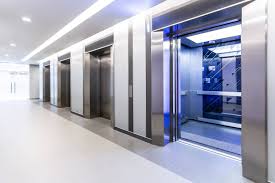
For luxury Oakville custom homes, glass cab elevators with custom finishes have become an architectural feature. These elevators sit in the central foyer or open stairwell as part of the home’s design rather than tucked away. Bronze, brass, brushed nickel, custom wood, and high-end glass treatments are all common on Oakville custom builds.
Several scenarios drive elevator demand in Oakville homes.
Oakville’s custom home market continues producing significant new construction, particularly in South Oakville, Old Oakville, and along the lakeshore where original homes get torn down for larger custom builds. Three and four-storey custom homes of 5,000+ sq ft almost always benefit from an elevator. At higher price points, Oakville buyers increasingly expect them, and resale value reflects that expectation.
Many Oakville homeowners have lived in their multi-storey homes for decades and want to stay rather than downsize. A residential elevator turns a three-storey home into a fully accessible space, which extends how long someone can comfortably live in their property. This has become one of the fastest-growing reasons for retrofit installations in established Oakville neighbourhoods.
Mobility limitations, wheelchair use, or recovery from injury can make stairs impractical. A properly sized elevator restores full access to every floor without requiring a move to a different home.
Oakville’s infill market includes townhomes and luxury mid-rise residential, where elevators are increasingly expected. At higher price points, buyers see elevators as a deciding factor between similar properties.
Pricing varies based on system type, finishes, travel distance, and installation complexity. Here’s what affects the budget.
System type and capacity. Basic hydraulic systems start at the lower end of the residential elevator range. A standard two-stop installation typically costs around $40,000 to $50,000 installed for a basic system. Premium custom builds with luxury finishes and four-stop service can run well above $100,000 once everything is included.
Number of stops. Two-stop service costs less than three or four-stop systems serving every floor of a larger Oakville custom home.
Cab finishes and customization. Standard finishes cost less. Custom wood paneling, glass cabs, designer lighting, and high-end hardware add high cost but transform the elevator into an architectural feature.
Hoistway construction. New builds with the hoistway framed during initial construction cost less in total than retrofits requiring structural cutting and reframing. The difference between new-build and retrofit pricing for the same elevator can run 30% to 60% higher on retrofits.
Site conditions and access. Tight infill lots, narrow stairwells, and limited equipment access all add complexity to installation.
Permits and inspections. Town of Oakville building permits, Electrical Safety Authority work, and TSSA inspections all factor in. A proper installer handles these as part of the project.
Residential elevators in Oakville require permits and approvals from several authorities. The Town of Oakville issues building permits for the structural and construction work. The Electrical Safety Authority covers electrical components. The Technical Standards and Safety Authority (TSSA) regulates elevating devices in Ontario and conducts the final inspection and licensing before the elevator can be used.
You can review TSSA’s elevator and lifting devices requirements through their official elevating devices safety page.
Oakville also has specific zoning considerations for residential elevator installations, particularly for projects involving exterior shaft additions or work in heritage-designated properties. A contractor who handles Oakville work regularly knows how to coordinate these layered approvals.
Anyone installing residential elevators in Ontario needs proper TSSA licensing. Ask for the contractor’s license details and verify them. Unlicensed work is a serious legal and safety problem that won’t pass inspection.
A contractor with an actual Oakville address knows the Town’s permit office, the local inspectors, the typical custom home builders in the area, and the specific neighbourhoods where most elevator work happens. National brands “serving” Oakville from a distance can install equipment, but they don’t have the local knowledge that makes projects run smoothly.
The elevator itself is one part of the project. Cutting hoistways into existing homes, framing new builds around elevator shafts, and finishing the work cleanly requires actual construction experience, not just elevator product expertise. Contractors who only do elevators sometimes leave a rough interface for other trades to clean up.
Ask for references from custom home builders, designers, and architects who’ve worked with the company in Oakville specifically. Luxury custom home work is a particular world. Contractors with strong builder relationships typically handle higher-end installations better than those who mostly do basic accessibility retrofits.
A company tied to one manufacturer can only sell you that manufacturer’s products. A contractor offering multiple systems matches the right elevator to your specific application and budget rather than pushing the equipment they happen to carry.
A proper Oakville elevator installer handles Town permits, ESA electrical work, and TSSA inspections from start to finish. You shouldn’t be filing permits yourself or coordinating inspections.
Residential elevators need annual maintenance under TSSA requirements. A contractor who installs but doesn’t service their installations creates a problem two or three years later when warranty work or scheduled maintenance comes due. Local Oakville-based companies typically maintain what they install. Out-of-town installers often hand off service to third parties.
A proper residential elevator quote breaks out the elevator equipment, hoistway construction, electrical work, finishes, permits, inspections, and any structural modifications as separate line items. Lump-sum quotes hide cost shifts mid-project.
Ultra Elevators is Delta Group’s residential elevator division. Our office is on Burnhamthorpe Road in Oakville, which means we’re local in the way that matters: same town, same inspectors, same suppliers, same custom home builders we’ve worked alongside for years.
The bigger advantage is what Delta Group brings beyond elevators. We’re a full construction company that handles demolition, excavation, shoring, concrete foundation, and site servicing on Oakville custom homes. That integration matters more than people realize when they’re picking an elevator contractor. On new builds, having one company coordinate the foundation, structural framing of the hoistway, and elevator installation eliminates the handoff problems that come up when three or four contractors are working around each other. The hoistway gets built right the first time because the people pouring the foundation know exactly what the elevator requires.
For retrofits in existing Oakville homes, our construction background means we handle the structural modifications, cutting, framing, and finishing as part of the installation rather than subcontracting to a general renovator who may or may not understand elevator requirements.
Our residential elevator services in Oakville cover system selection, engineered design, permit coordination with the Town of Oakville, hoistway construction, full installation, commissioning, TSSA inspection coordination, and ongoing service and maintenance.
We also offer the full range of residential elevator types, from standard hydraulic systems through custom MRL elevators and luxury glass cab installations for high-end custom builds in South Oakville, Old Oakville, and along the lakeshore.
Planning a custom build with an elevator, an aging-in-place retrofit, or an accessibility installation in Oakville? Call us at 905-849-9900 or stop by our office at 220 Burnhamthorpe Rd E. We’ll review your plans, walk the site, and put together a detailed proposal that reflects the actual scope of the work.
Delta Group serves Oakville, Burlington, Mississauga, Hamilton, Toronto, Vaughan, Milton, and the surrounding GTA.
Check out Ultra Elevators, Click Here!
Work With Us — Click Here!
Follow our Instagram, Click Here!